

Pinot Grigio Blush Explained: The 5-Minute Guide to Why This Rosé Alternative is Taking Over UK Wine Lists

Walk into any decent wine bar in London these days and you'll spot something interesting happening. That pale pink wine sitting pretty between the crisp whites and bold rosés? That's Pinot Grigio Blush, and it's quietly becoming the drink of choice for wine lovers who want something a bit different.
If you've been wondering what all the fuss is about, you're in the right place. Let's dive into why this elegant pink wine is winning over bartenders, sommeliers, and regular wine drinkers across the UK.
What Actually Is Pinot Grigio Blush?
Here's where it gets interesting. Pinot Grigio Blush isn't your typical white Pinot Grigio, and it's not quite a traditional rosé either. It's something of a hybrid that takes the best bits of both.
The magic happens during production. While regular white Pinot Grigio separates the grape skins from the juice immediately (keeping everything pale and neutral), Pinot Grigio Blush does something different. The winemaker lets those Pinot Grigio grape skins hang around with the juice for about 5 days in a process called maceration.
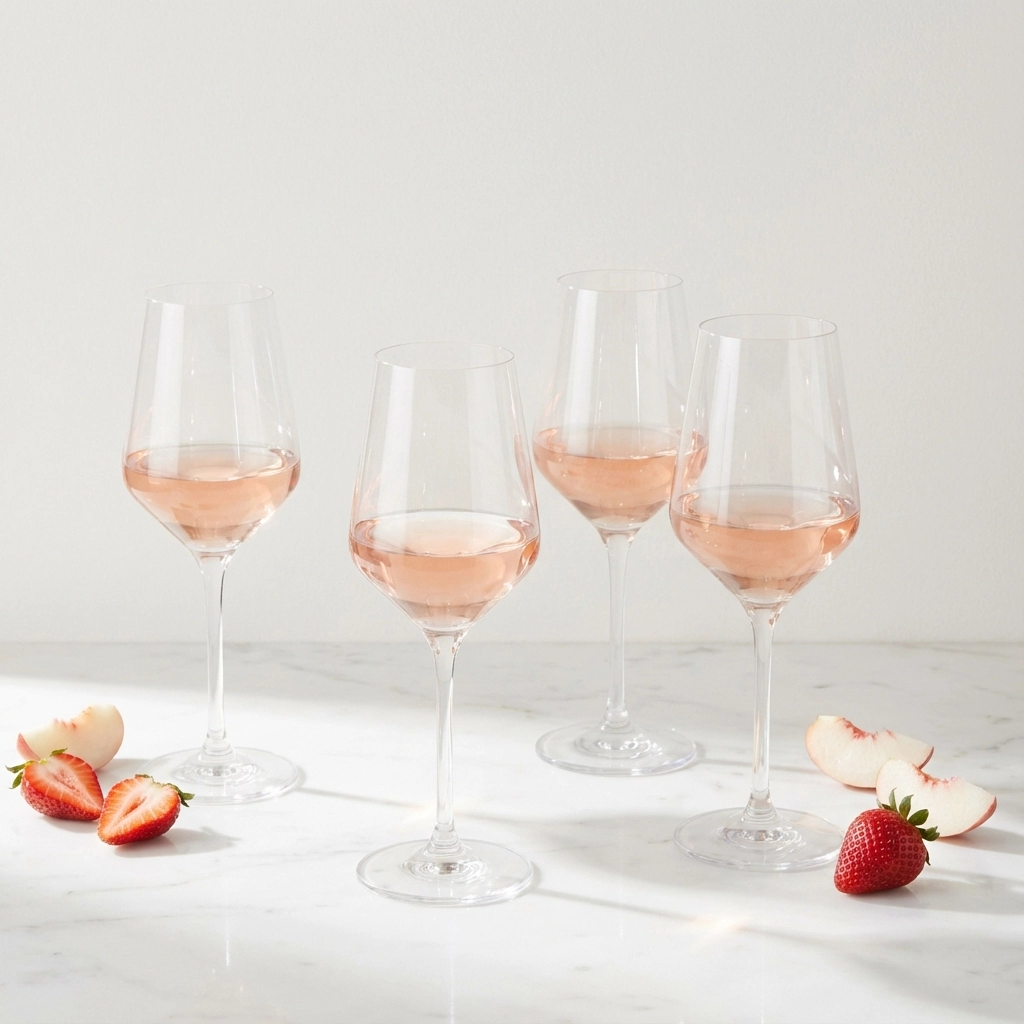
This brief skin contact is what gives the wine its distinctive pale pink colour and adds subtle flavours that you just don't get with regular white Pinot Grigio. Think of it as the wine equivalent of steeping tea – the longer you leave it, the more character it develops.
The whole process happens in stainless steel tanks at controlled, low temperatures, which keeps everything fresh and crisp. No heavy oak influence or complicated techniques – just pure, clean winemaking that lets the grapes do the talking.
How It Differs From Regular Pinot Grigio and Rosé
This is where Pinot Grigio Blush really shines. It sits in this sweet spot between two very different wine styles, and that's exactly why it's becoming so popular.
Versus White Pinot Grigio: Regular white Pinot Grigio can be a bit, well, boring. It's clean and neutral, which is fine, but it doesn't always give you much to think about. Pinot Grigio Blush takes those same grapes and adds personality. You get more fruit flavours, a bit more texture, and that lovely pink colour that makes it feel more special.
Versus Traditional Rosé: Many rosés can be quite bold and fruity – sometimes almost sweet. Pinot Grigio Blush is more restrained and elegant. It's drier, more mineral-driven, and has this lovely subtle character that doesn't shout at you. Perfect for people who find some rosés a bit too much.
The alcohol level typically sits around 12%, which is lower than many alternatives. This makes it less heavy and perfect for those long British summer evenings when you want something refreshing that won't knock you sideways.
Tasting Notes: What to Expect
When you first pour Pinot Grigio Blush, you'll notice that beautiful pale pink colour – it's like the softest sunset you've ever seen. But the real magic happens when you taste it.
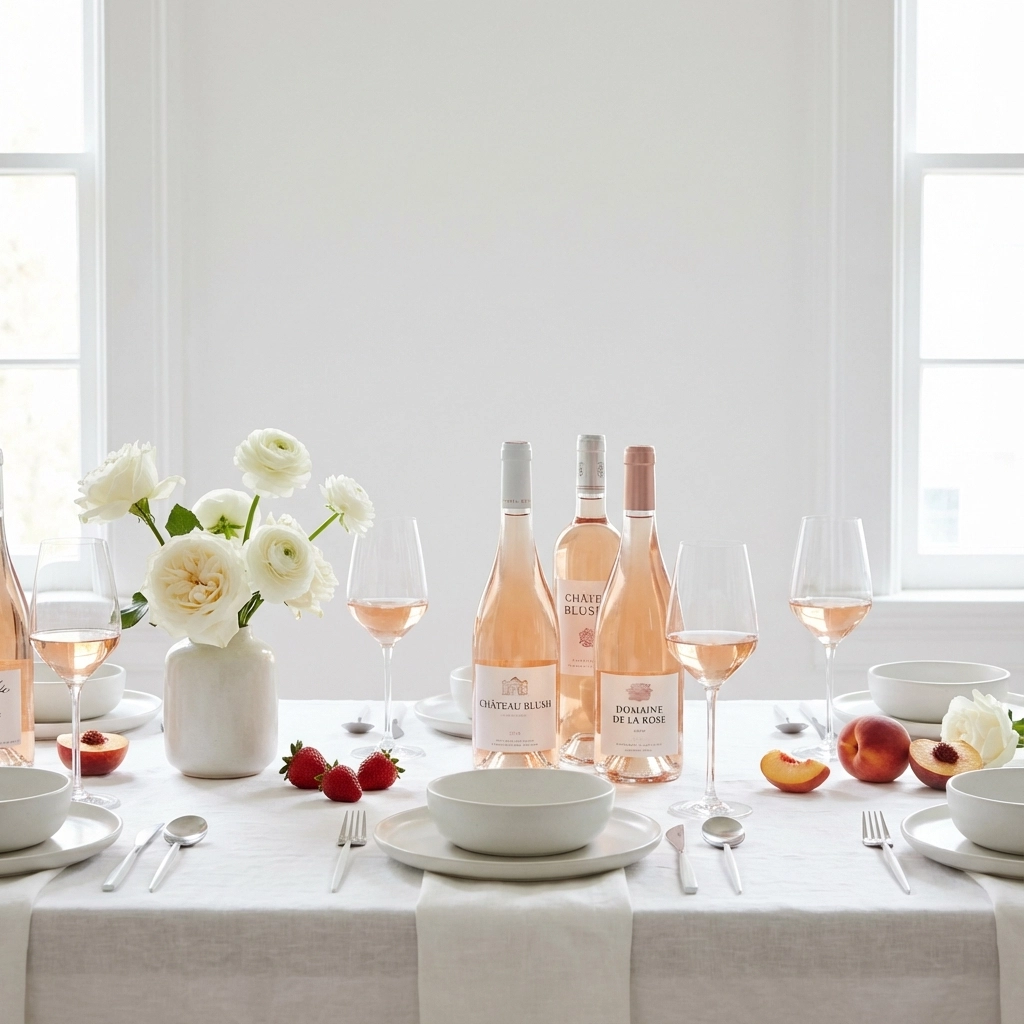
The Nose: Lift the glass and you'll get hit with fresh, fruity aromas. Think strawberries and raspberries, but not in an artificial way. There are also notes of white peach, citrus zest, and sometimes a lovely floral quality that makes it really elegant.
The Palate: This is where Pinot Grigio Blush really shows its class. It's crisp and dry – none of that cloying sweetness you sometimes get with cheaper rosés. The fruit flavours are there but balanced: fresh berries, green apple, a touch of cranberry tartness, and often a nice mineral backbone that gives it structure.
The texture is light but not thin. There's just enough weight to make it interesting, but it's still refreshing enough to drink on its own. The finish is clean and fresh, leaving you wanting another sip rather than overwhelming your palate.
Why It's Taking Over UK Wine Lists
There are several reasons why British wine drinkers are falling for Pinot Grigio Blush, and it's not just because it looks good on Instagram (though it definitely does).
Versatility is King: This wine works everywhere. Fancy restaurant? Perfect. Casual pub lunch? Absolutely. Garden party? Ideal. It's one of those rare wines that can dress up or down depending on the occasion. You can serve it as an aperitif, pair it with food, or just enjoy it on its own.
Easy Drinking: Let's be honest – not everyone wants to spend ages analysing their wine. Pinot Grigio Blush is immediately approachable. You don't need a wine degree to enjoy it, but there's enough complexity there to keep wine geeks interested.
Perfect for British Weather: Our unpredictable climate means we need wines that work whether it's sunny or cloudy, warm or cool. Pinot Grigio Blush hits that sweet spot – refreshing enough for hot days but with enough character for cooler evenings.
Food-Friendly: British dining has become incredibly diverse, and we need wines that can handle everything from fish and chips to elaborate tasting menus. Pinot Grigio Blush's balanced acidity and subtle flavours make it incredibly food-friendly.
Serving and Pairing: Getting It Right
Getting the most out of Pinot Grigio Blush isn't complicated, but a few simple tips will make all the difference.
Temperature Matters: Serve it chilled at 8-12°C. Not ice-cold like some people serve white wine, but properly chilled so all those lovely flavours can shine through. A white wine glass is perfect – it'll help concentrate those delicate aromas.
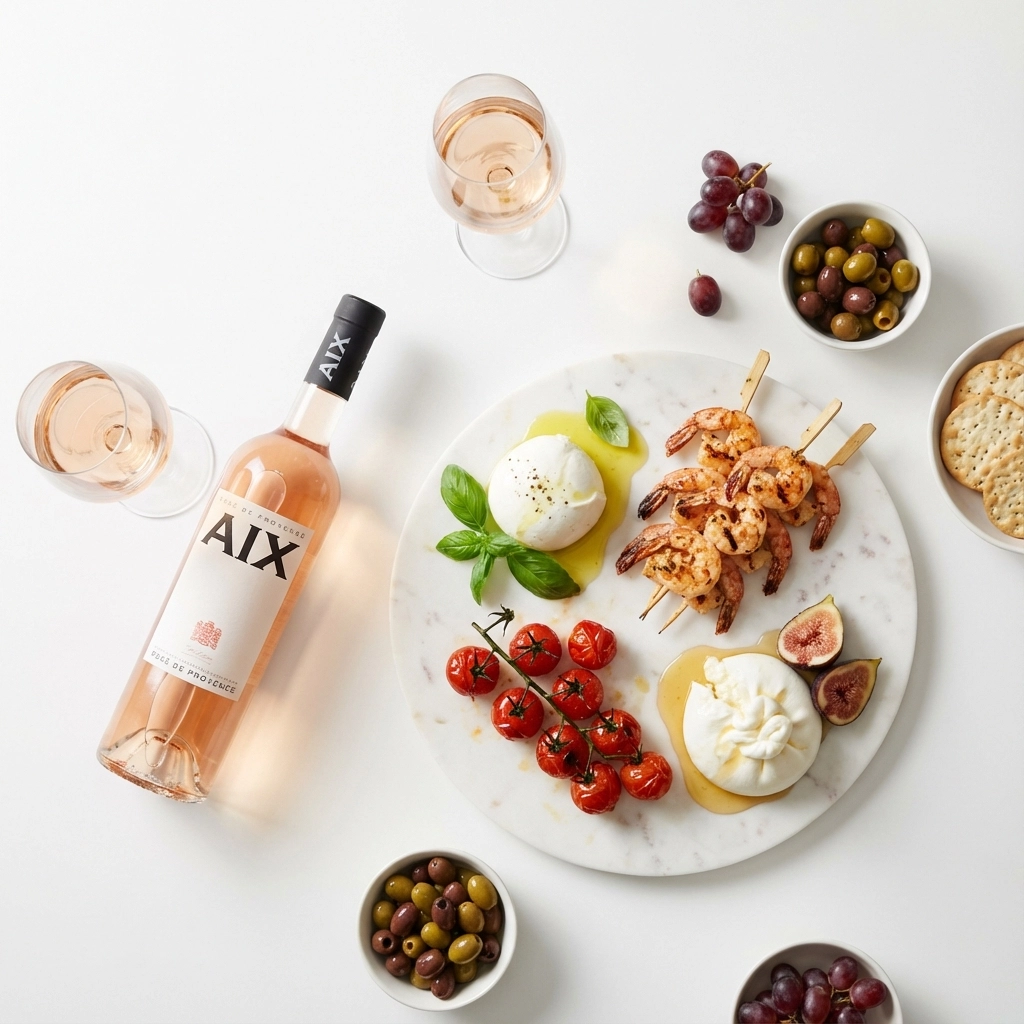
Food Pairing Gold: This is where Pinot Grigio Blush really shows off. It's brilliant with seafood – think grilled prawns, fish tacos, or a classic fish and chips. The crisp acidity cuts through any richness without overwhelming delicate flavours.
Mediterranean food is a natural match. Try it with antipasti, grilled vegetables, or a fresh Caprese salad. The wine's subtle fruitiness complements tomatoes beautifully, while the acidity balances creamy mozzarella.
For meat dishes, stick to lighter options. Grilled chicken, pork tenderloin, or even a good quality ham work wonderfully. The wine has enough character to stand up to these flavours without competing.
Cheese Pairing: Soft cheeses are your friend here. Goat's cheese, brie, or a mild camembert all work beautifully. The wine's acidity cuts through the richness while the subtle fruit flavours complement the creamy textures.
When to Drink It (And When Not To)
Pinot Grigio Blush is best enjoyed young and fresh – ideally within a year or two of the vintage date. Unlike some wines that improve with age, this one is all about immediate pleasure and freshness.
It's perfect for casual entertaining, summer barbecues, or when you want something a bit more special than your usual house white but not as formal as a serious red. Think weekend lunches, after-work drinks, or those long summer evenings in the garden.
The Bottom Line
Pinot Grigio Blush isn't trying to revolutionise the wine world – it's just doing its own thing really, really well. It offers wine drinkers something that's been missing: a middle ground between crisp whites and fruity rosés that works in almost any situation.
The fact that it's appearing on more UK wine lists isn't just a trend – it's a response to what people actually want to drink. Something elegant but approachable, food-friendly but enjoyable on its own, and distinctive enough to feel special without being pretentious.
Whether you're a wine novice looking for something new to try or a seasoned drinker wanting a reliable go-to option, Pinot Grigio Blush deserves a place in your glass. At AA Wines, we've seen demand for quality alternatives like this grow consistently, and it's easy to understand why.
Next time you're browsing a wine list or shopping for something a bit different, give Pinot Grigio Blush a try. You might just discover your new favourite wine.


1 comment
Great stuff